Blog

  • Treatment in Korea Step by Step: Complete Guide 2026

    Treatment in Korea Step by Step: The Ultimate Guide for International Patients

    South Korea has firmly established itself as the world’s leading destination for medical tourism, particularly in dermatology and aesthetic treatments. With over 600,000 foreign patients visiting Korean clinics annually (Korea Health Industry Development Institute, 2025), understanding the treatment in Korea step by step process is essential before booking your journey. Whether you’re considering skin rejuvenation, facial contouring, or advanced laser therapy, this comprehensive guide walks you through every stage of your Korean treatment experience.

    Why Choose Korea for Medical and Aesthetic Treatments?

    Korea’s reputation in the global aesthetics industry is unmatched. Korean dermatologists and plastic surgeons complete rigorous training programs that often exceed 10 years of specialized education. The country’s clinics are equipped with cutting-edge technology that frequently debuts in Korea before becoming available globally.

    Dr. Ji-Hyun Park, a board-certified dermatologist at a leading Seoul clinic, explains: “Korea attracts international patients not just for our technology, but for our holistic approach to skin health — we treat the root cause while delivering immediate aesthetic results.”

    Key advantages include:

    • Highly competitive pricing — often 40-70% lower than Western countries
    • Same-day consultations and procedures available
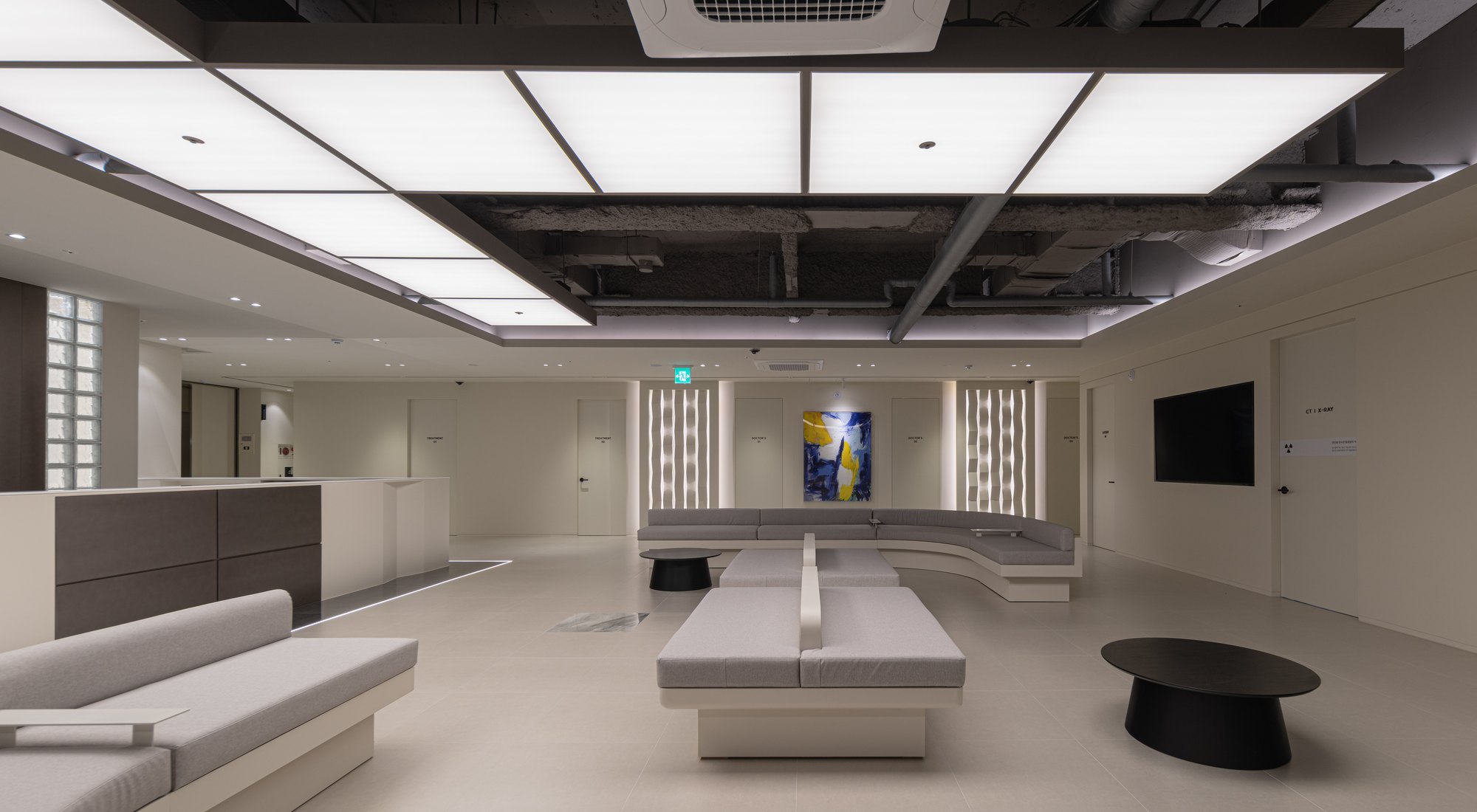
    • Medical tourism infrastructure specifically designed for international visitors
    • English-speaking coordinators at most major clinics
    • Advanced aftercare protocols with follow-up support

    Step 1: Research and Clinic Selection

    Identifying Your Treatment Goals

    Before anything else, clearly define what you want to achieve. Korean clinics specialize in diverse treatments including Ultherapy, PRP (Platelet-Rich Plasma) therapy, laser skin resurfacing, thread lifts, Botox, dermal fillers, acne treatment, and double eyelid surgery. Your treatment goals determine which type of specialist you need.

    How to Find a Reputable Korean Clinic

    Start your search on verified medical tourism platforms, Korean government-accredited clinic lists (Korea Health Industry Development Institute maintains an official registry), and community reviews on platforms frequented by international patients. Look for clinics that display their doctor’s credentials prominently and have verifiable before-and-after portfolios.

    When evaluating clinics, prioritize:

    • Board certification of treating physicians
    • Hygiene and safety standards (ISO or JCI accreditation)
    • Transparent pricing with no hidden consultation fees
    • Dedicated international patient coordinators
    • Clear communication channels (email, WhatsApp, KakaoTalk)

    Step 2: Pre-Arrival Consultation and Planning

    Online Pre-Consultation

    Most reputable Korean clinics now offer free virtual consultations before your arrival. This is a critical phase of your treatment in Korea step by step journey. Submit high-resolution photos of your skin or treatment area, your medical history, current medications, and any known allergies. Expect a response within 24-48 hours from a qualified medical coordinator.

    Planning Your Travel Timeline

    Timing matters significantly. For minimally invasive treatments like Botox or chemical peels, plan for 3-5 days in Seoul. For more intensive procedures such as laser resurfacing or thread lifts, allow 7-10 days to accommodate recovery, follow-up appointments, and possible swelling. Surgical treatments like rhinoplasty or facial contouring may require 2-3 weeks.

    Popular treatment areas in Seoul include Gangnam-gu (the undisputed hub of Korean aesthetics), Apgujeong-dong, and Sinsa-dong — all clustered along the famous “Beauty Belt” district.

    Step 3: Arrival and In-Clinic Consultation

    What Happens on Day One

    Upon arriving at your chosen clinic, you will complete patient intake forms (available in English, Chinese, and Japanese at most international-friendly clinics). A medical coordinator will be your dedicated point of contact throughout your stay. You’ll then meet with the treating physician for a thorough in-person consultation that typically lasts 30-60 minutes.

    The Physician’s Assessment

    Korean dermatologists use advanced diagnostic tools including Visia skin analysis systems and 3D facial imaging to precisely map your skin condition or facial structure. This data-driven approach ensures personalized treatment plans rather than one-size-fits-all protocols. This stage is where you discuss realistic expectations, treatment alternatives, and receive your official treatment quote.

    Step 4: Treatment Day

    Common Procedures and What to Expect

    On treatment day, you’ll be guided through preparation procedures specific to your chosen treatment. For non-surgical dermatological treatments, numbing cream is typically applied 30-60 minutes beforehand. Most popular procedures and their approximate costs include:

    • Botox (full face): ₩300,000–₩600,000 (approximately $220–$440 USD)
    • Dermal Fillers (per syringe): ₩400,000–₩900,000 (approximately $295–$660 USD)
    • Ultherapy (full face): ₩1,500,000–₩3,000,000 (approximately $1,100–$2,200 USD)
    • Thread Lift: ₩800,000–₩2,000,000 (approximately $590–$1,470 USD)
    • Laser Skin Resurfacing: ₩500,000–₩1,500,000 (approximately $370–$1,100 USD)
    • PRP Therapy: ₩400,000–₩800,000 (approximately $295–$590 USD)

    Procedures are performed in sterile, clinic-grade operating rooms or treatment suites with continuous vital monitoring where required. Korean clinics are known for meticulous attention to patient comfort throughout the process.

    Step 5: Immediate Aftercare and Recovery

    Post-Treatment Instructions

    After your procedure, your medical team will provide detailed post-treatment care sheets in your language. This typically includes skincare product recommendations (often featuring Korean cosmeceutical brands), sun avoidance protocols, dietary guidelines, and activity restrictions. Many clinics include a complimentary post-treatment mask or soothing treatment as part of their service.

    Managing Downtime in Korea

    If you experience swelling or redness — common after laser treatments or fillers — plan to rest in your accommodation for the first 24-48 hours. Seoul’s extensive delivery service ecosystem means you won’t need to venture out for food or supplies. Most international patient coordinators will check in daily via messaging apps to monitor your recovery.

    Step 6: Follow-Up Appointments and Long-Term Care

    In-Country Follow-Up

    Most treatment plans include at least one follow-up visit before you depart Korea. This allows your physician to assess initial results, perform any touch-ups if needed, and provide documentation of your treatment for your home country’s medical records.

    Ongoing Care After Returning Home

    A reputable Korean clinic will remain accessible after your return home. Many offer teledermatology consultations for post-treatment concerns and will coordinate with your local dermatologist if needed. Results maintenance schedules and product recommendations will be provided in your departure care package.

    Practical Tips for International Patients

    • Register with the Korean government’s Medical Korea portal for verified clinic information
    • Keep copies of all treatment records and prescriptions for customs clearance
    • Consider travel insurance that covers aesthetic medical procedures
    • Exchange currency at Incheon Airport or Myeongdong exchange booths for better rates
    • Download KakaoTalk — Korea’s primary communication app used by most clinics

    Frequently Asked Questions (FAQ)

    Q1: Is it safe to get treatment in Korea as a foreigner?

    Yes. Korea has stringent medical licensing requirements and government oversight of registered clinics. Always verify your clinic appears on the Korea Health Industry Development Institute’s official medical tourism list and that your treating doctor holds valid board certification.

    Q2: Do I need to speak Korean to get treatment in Korea?

    No. The vast majority of internationally oriented clinics in Gangnam and surrounding areas employ English-speaking coordinators. Many clinics also offer Chinese, Japanese, Russian, and Arabic language support. Pre-arrival communication is typically handled in English.

    Q3: How far in advance should I book my treatment?

    For popular clinics, booking 4-6 weeks in advance is recommended, especially during peak travel seasons (spring March-May and autumn September-November). Some procedures requiring specific equipment availability may need even earlier scheduling.

    Q4: Can I combine multiple treatments in one visit?

    Yes, and many international patients do. However, your physician will advise on appropriate spacing between procedures. Combining certain treatments requires careful scheduling to ensure healing between sessions and to avoid contraindications. Always follow your physician’s professional recommendation rather than self-scheduling combinations.

    Q5: What payment methods are accepted at Korean clinics?

    Most internationally oriented clinics accept major credit cards (Visa, Mastercard, American Express), bank transfers, and cash in KRW. Some clinics may offer USD or CNY payment for international patients. Always confirm payment options during your pre-arrival consultation and request itemized receipts for insurance claims.

    Q6: What should I pack for my treatment trip to Korea?

    Pack loose, comfortable clothing for procedure days, high SPF sunscreen (SPF 50+), your complete medical history documentation, a list of current medications, and any existing skincare products your dermatologist has approved. Your clinic will typically provide post-treatment skincare, but bringing familiar gentle products is advisable.

    Start Your Treatment Journey in Korea Today

    Understanding the treatment in Korea step by step process empowers you to make informed, confident decisions about your aesthetic or medical journey. Korea’s world-class physicians, advanced technology, and patient-centered approach deliver results that attract hundreds of thousands of international visitors each year. From your first online inquiry to your final follow-up appointment, each step has been refined to give you the best possible experience and outcome.

    📲 Ready to take the first step? Contact our international patient coordinators via WhatsApp for a free consultation, personalized clinic recommendations, and full treatment planning support. Chat with us on WhatsApp now →


    Related Articles